Research programme 2
NanoBioVolt — Generating Energy Through Nanotechnology
Harnessing biological chemistry to generate electricity at the nanoscale.
What if tiny devices could use glucose — a naturally occurring source of chemical energy — to generate electricity?
NanoBioVolt explores this possibility through enzyme-based nano bio-fuel cells.
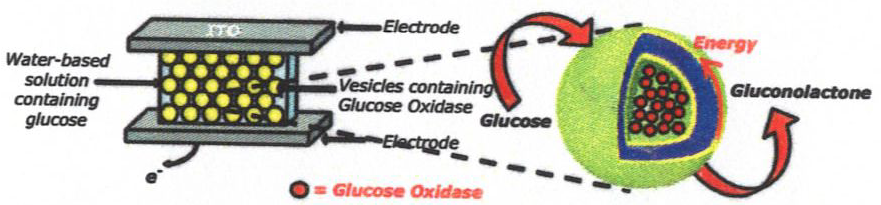
The technology combines nanoscale electrodes with enzymes that facilitate electrochemical reactions involving glucose. These reactions enable the conversion of chemical energy into electrical energy at the nanoscale.
Our long-term vision is to explore how such technology might contribute to new approaches in medicine, miniaturised devices, and sustainable energy research.
Unlike conventional rechargeable batteries, an enzymatic bio-fuel cell generates electricity through chemical reactions involving an available fuel.
Powering New Possibilities
The Science Behind NanoBioVolt
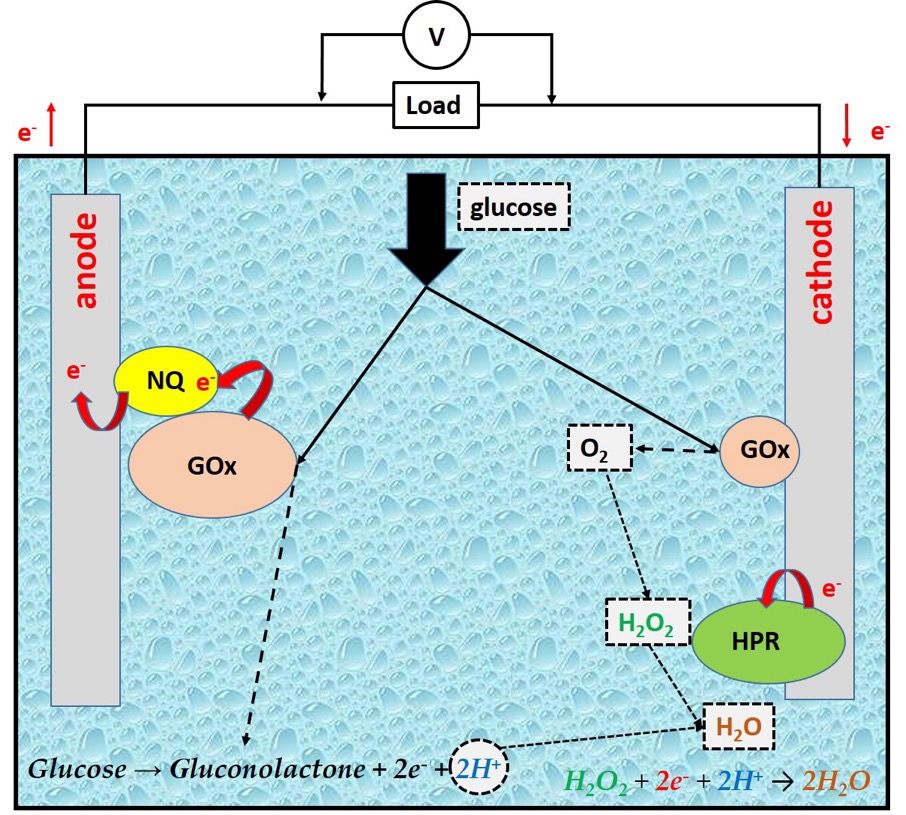
NanoBioVolt is based on an enzymatic electrochemical system consisting of two nanoscale electrodes that together form a nano bio-fuel cell.
The nano-anode
Enzymes facilitate the oxidation of glucose, enabling electron transfer through the electrode system.
The nano-cathode
Enzyme-mediated reduction reactions complete the electrochemical process.
Together, the anode and cathode form a nano bio-fuel cell capable of generating electrical energy under appropriate laboratory conditions.
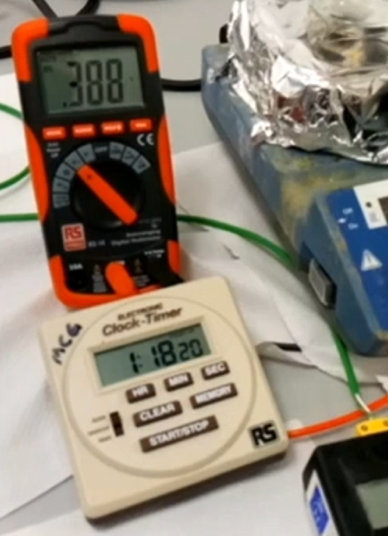
Demonstrated in the laboratory
Earlier Electrochemical Functionality
Earlier experiments have demonstrated electrochemical functionality, including measurable voltage and current.
Planned research application
From Energy Generation to Medical Innovation
One of the first research applications of NanoBioVolt focuses on prostate cancer.
The experimental concept involves attaching PSMA-targeting ligands to nano-anodes and nano-cathodes.
PSMA (prostate-specific membrane antigen) is a cell-surface protein frequently expressed at elevated levels in prostate cancer.
The objective is to investigate whether these PSMA-targeted nano bio-fuel cells can interact preferentially with PSMA-positive prostate cancer cells and generate local electrochemical effects that may decrease cell viability.
This could potentially introduce a new principle for targeted biological intervention.
Conceptual animation
Status
What We Have Achieved
Our research has reached several important technical milestones.
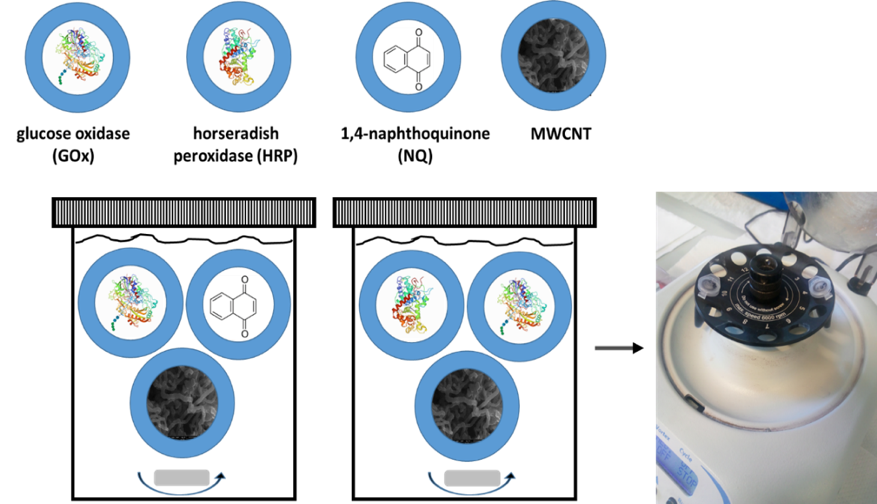
- Nanoscale anode and cathode systems have been developed.
- Earlier laboratory experiments demonstrated electrochemical functionality.
- PSMA-targeting ligands have been conjugated to both electrode types.
- Most recently, a stable batch of PSMA-functionalised nano-anodes and nano-cathodes has been successfully produced.
These achievements provide the foundation for the next stage of biological research.
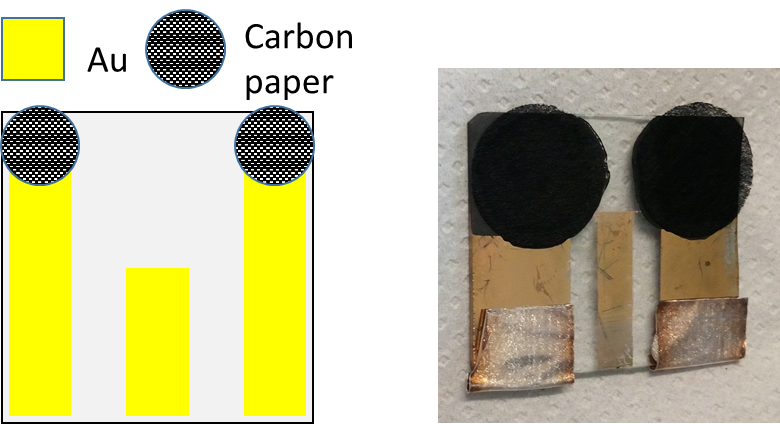
Laboratory footage — bench test
In preparation
The Next Step — In-Vitro Proof of Concept
We are currently preparing in-vitro experiments using prostate cancer cell lines.
The primary objective is to investigate whether PSMA-targeted nano bio-fuel cells damage PSMA-positive cancer cells while sparing appropriate PSMA-negative control cells.
The studies will help evaluate biological activity, selectivity and the conditions needed for reproducible experimental results.
Only after convincing biological proof of concept can further preclinical development be considered.
Achieved
Stable PSMA-functionalised nano-electrodes produced.
Being prepared
In-vitro biological testing is being prepared.
Long-term
Beyond Medicine — Exploring Future Energy Applications
The underlying principle of generating electricity through enzyme-mediated reactions may have applications beyond oncology.
Areas for future exploration include:
- Miniaturised biological sensors and low-power devices.
- Bio-integrated technologies.
- New enzymatic energy-generation systems.
- Alternative energy technologies using biologically available fuels.
Future research will address power output, operational lifetime, stability, manufacturing scale and environmental impact.
Our ambition is to investigate these possibilities through rigorous scientific research and international collaboration.